



Educating each other
News & events
About us
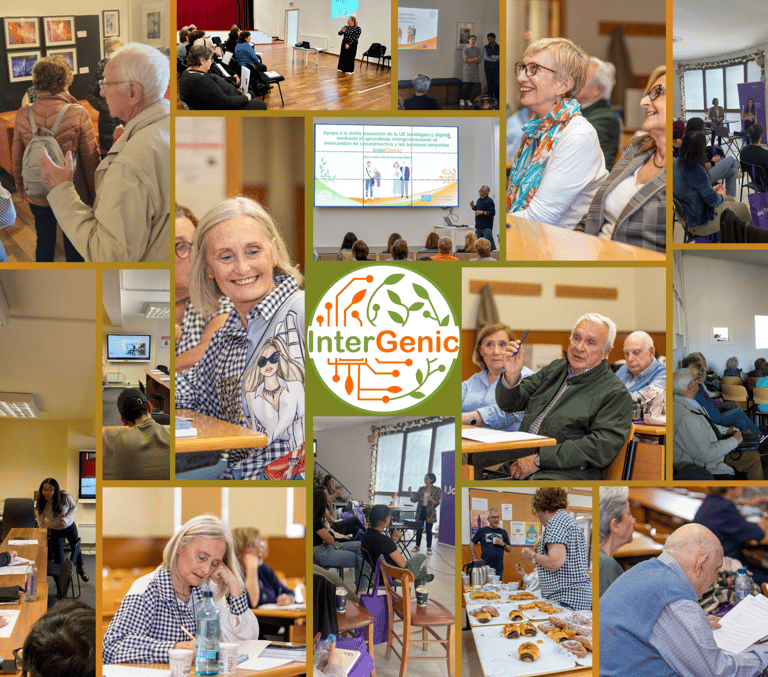
We develop training packages for Youth and Senior Mentors that will allow them to transfer their skills to each other. In the meantime, we organize related and promotional events in the participating countries, which you can read about in the News and Events section.
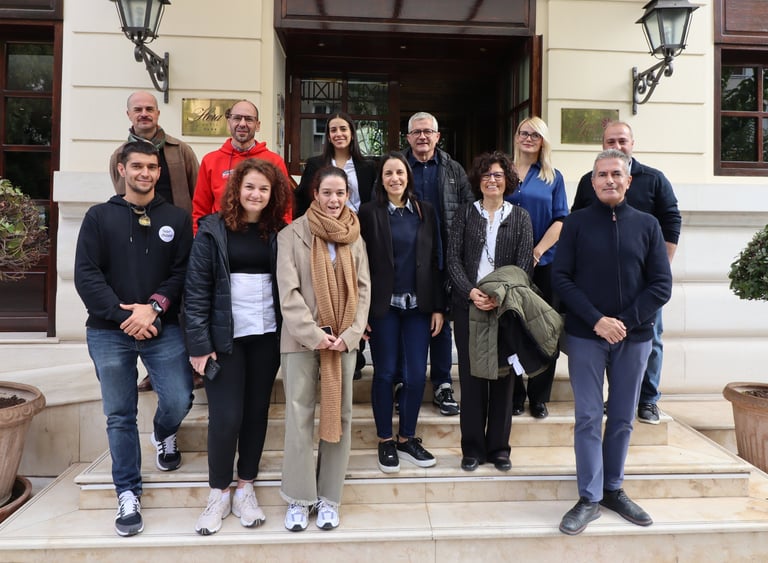
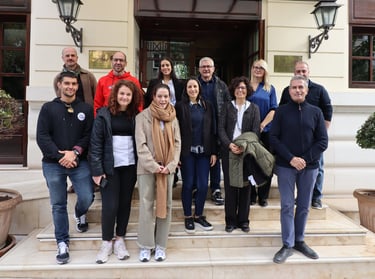
We are a consortium of 8 European institutions, Universities, NGOs, partnering for a project that promotes intergenerational learning and bridging the socio-epistemic gap in knowledge between generations.
InterGenic is based on the understanding that intergenerational learning constitutes a valuable approach to (adult) education, which, however, remains underused because the learning needs and expectations between generations are perceived as incompatible.
InterGenic’s overarching motivation is to move past this perception, and the barrier it creates, by demonstrating actively the benefits of intergenerational learning.
These benefits are both educational and social: they include not only a bi-directional knowledge transfer of crucial skills and competencies for the future that the EU envisions but also the establishment of shared perspectives between two groups that are often perceived as socially detached from one another.
Project number: 2023-1-ES01-KA220-ADU-000155225